
A pet owner who finds a deep gash after a backyard accident may be unsure how to help while arranging urgent medical care. Reviewing guidance on how to prepare your pet for an after-hours emergency vet visit from Harbourside Animal Hospital can clarify the exact steps to take during a stressful moment.
In this guide, the Tampa team details essential immediate actions, including basic first aid and safe transport to ensure pets receive prompt care.
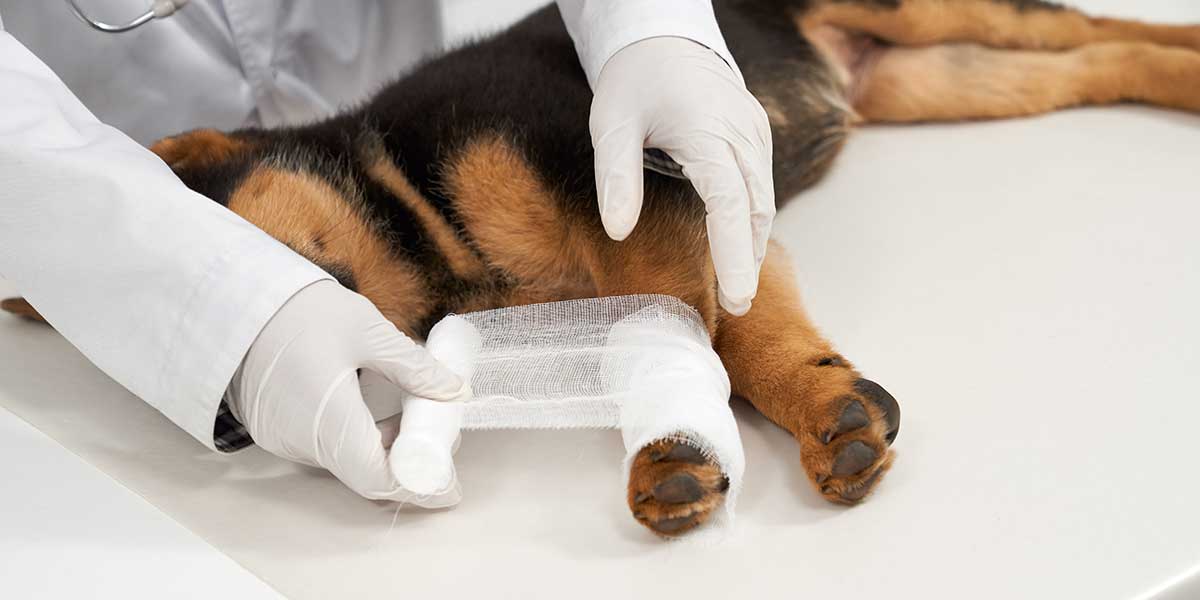
Pain can make even a gentle animal bite or pull away. If handling is safe, owners can apply firm, steady pressure with clean gauze or a cloth to help control bleeding.
If blood soaks through, add another layer without removing the original dressing. Heavy or persistent bleeding requires immediate veterinary care.
Knowing what to do if a pet has a deep wound includes recognizing these features that require professional assessment:
Exposed tissue: Fat or muscle is visible beneath the skin.
Puncture wounds: A small opening can extend deep into the tissue.
Embedded debris: Glass or other foreign material is lodged in the wound.
Pet owners can contact Harbourside Animal Hospital to arrange an urgent assessment. Owners should call ahead to describe the injury and confirm where to take the animal. This allows clinic staff to prepare and provide handling instructions before departure.
If safe to apply, a clean cloth can cover the injury during the journey without being wrapped tightly. Transport should not be delayed while owners attempt further treatment at home.
A veterinarian examines the depth of the injury and checks for damage beneath the skin. Sedation or anesthesia may be needed for thorough assessment and cleaning. Open wound treatment depends on the extent of tissue damage and contamination.
Some injuries can be closed with stitches, while others need to remain open for drainage and continued care. Following wound management principles, the veterinarian can discuss the recommended approach with Tampa pet owners, including how the wound should be protected, monitored, and rechecked over time.
Owners should follow the veterinarian's instructions for wound cleaning, including how often to clean the wound and which products or techniques to use. Medication should be given at the prescribed dose and frequency, and the full course should be completed unless the veterinarian advises otherwise.
Limiting activity as directed supports wound healing, while a properly fitted protective collar helps prevent licking, chewing, or scratching that could reopen the wound. Scheduled follow-up visits allow the veterinary team to assess progress, remove sutures if needed, and adjust treatment if healing is slower than expected.
Pet owners should report increasing swelling or thick discharge to the veterinary team. Worsening pain, a new odor, redness, heat, or a wound that starts to open again may indicate infection and requires prompt advice. Loss of appetite, unusual tiredness, or a sudden change in behavior also warrants a call, even if the injury appears to be improving.
Harbourside Animal Hospital assesses urgent injuries during office hours and provides wound repair and reconstructive surgery when needed. The clinic’s approach to deep wound care also includes diagnostic imaging for dogs and cats, such as ultrasound and radiography, to assess damage not visible externally.
Tampa pet owners unsure what to do if their pet has a deep wound can call (813) 560-0567 to arrange a veterinary assessment.
###
For more information about Harbourside Animal Hospital, contact the company here:
Harbourside Animal Hospital
Dr. Timothy Hodge
+18135600567
e-mail@harboursidevet.com
1112 Channelside Dr Unit 4, Tampa, FL 33602, United States
